

RESEARCH OVERVIEW
The Arpaia laboratory studies how the immune system senses and responds to its local environment, and how that biology can be harnessed to treat disease. Our work currently centers on three areas: defining how immune and stromal cells communicate in tissue repair and cancer, engineering probiotic bacteria as programmable cancer immunotherapies, and understanding how diet and the microbiome influence mucosal immune responses.
IMMUNE–STROMAL CROSSTALK IN TISSUE REPAIR AND CANCER
Our laboratory studies how immune cells and the stromal cells that surround them communicate to shape tissue function, both in repair after injury and in cancer.
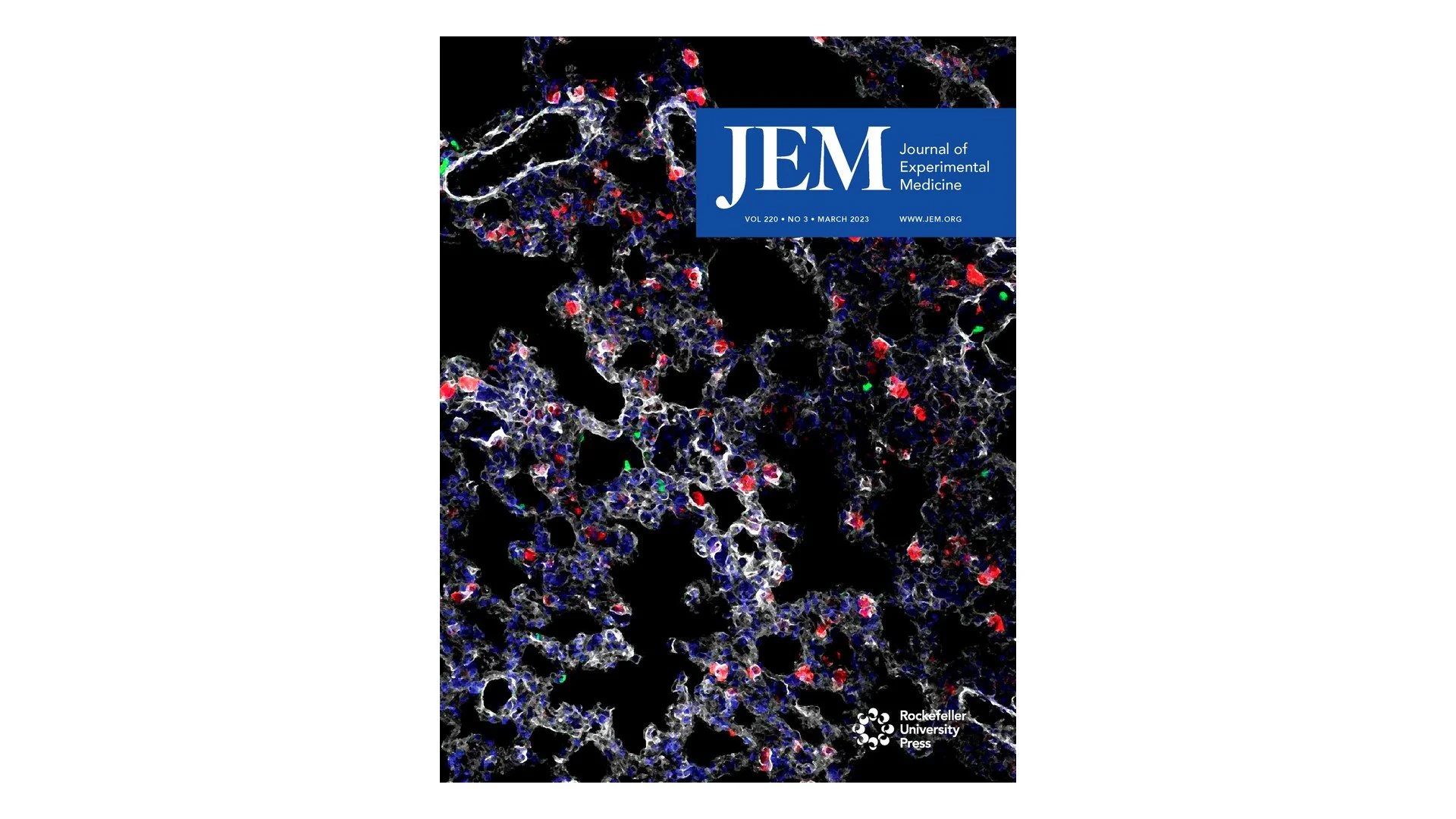
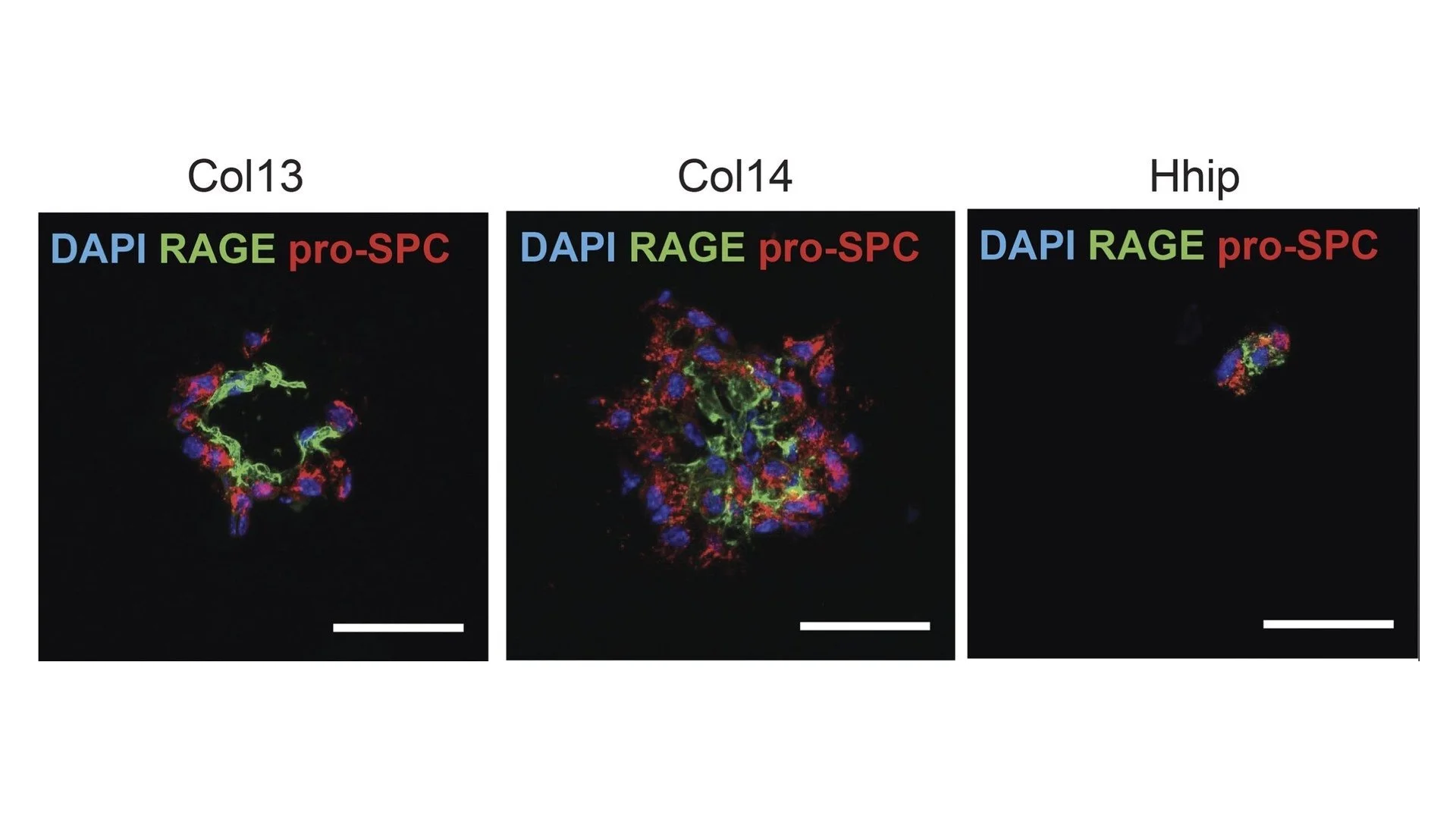
In the lung, we have shown that regulatory T cells (Tregs) produce the growth factor amphiregulin to support a population of mesenchymal cells that guide alveolar regeneration after influenza virus infection, and that heparan sulfate proteoglycans regulate how these cells respond to amphiregulin. We also developed a reporter mouse that allows reparative, amphiregulin-producing Tregs to be isolated and profiled, which helped us distinguish tissue repair–oriented Tregs from immunosuppression-oriented Tregs and identify 4-1BB agonism as a way to induce reparative activity.
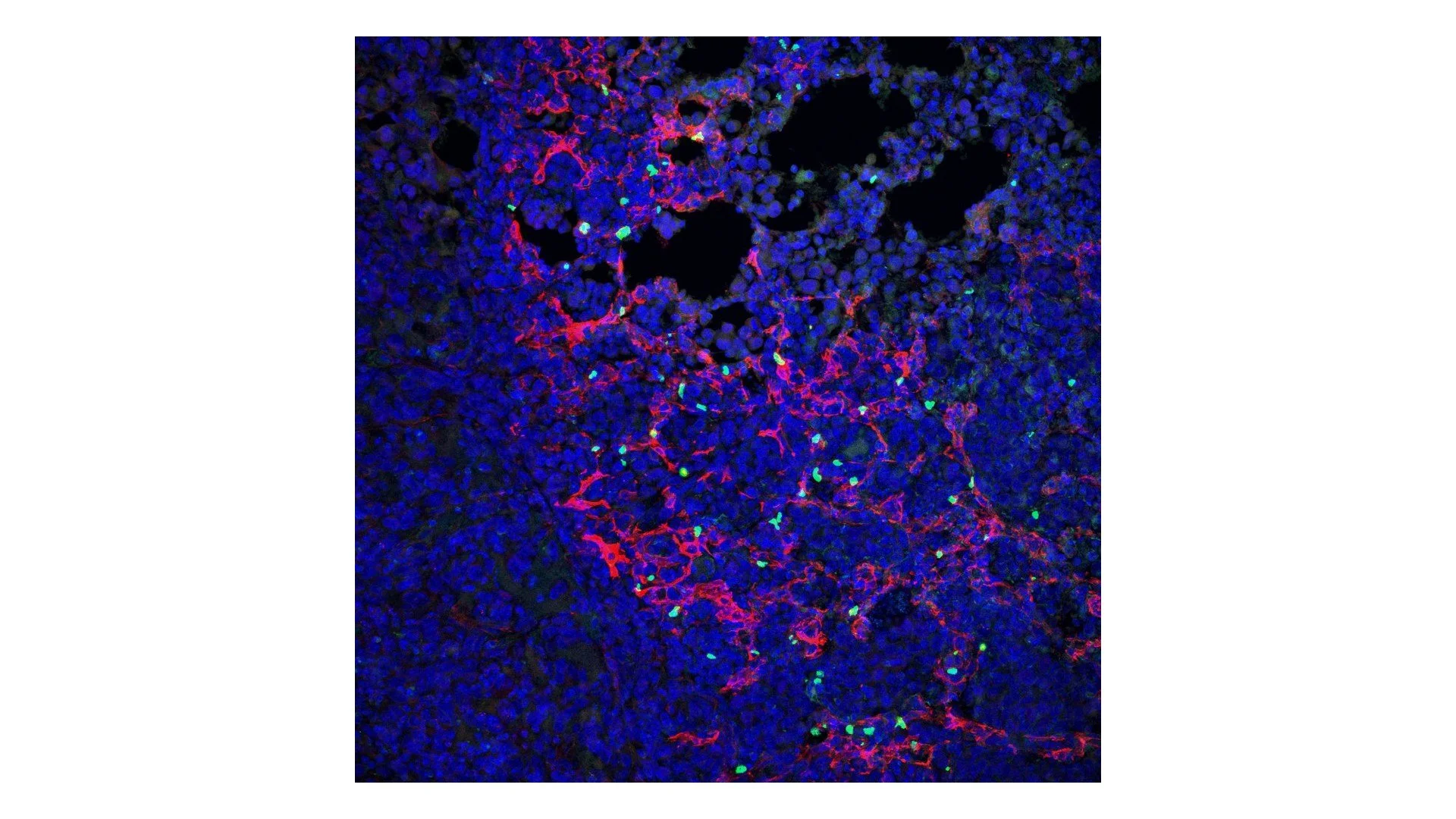
In cancer, we identified a population of immunomodulatory cancer-associated fibroblasts (imCAFs) in lung cancer that recruit hyper-suppressive CXCR3⁺ Tregs through CXCL9, limiting CD8⁺ T cell activation. We are exploring ways to target this axis therapeutically.
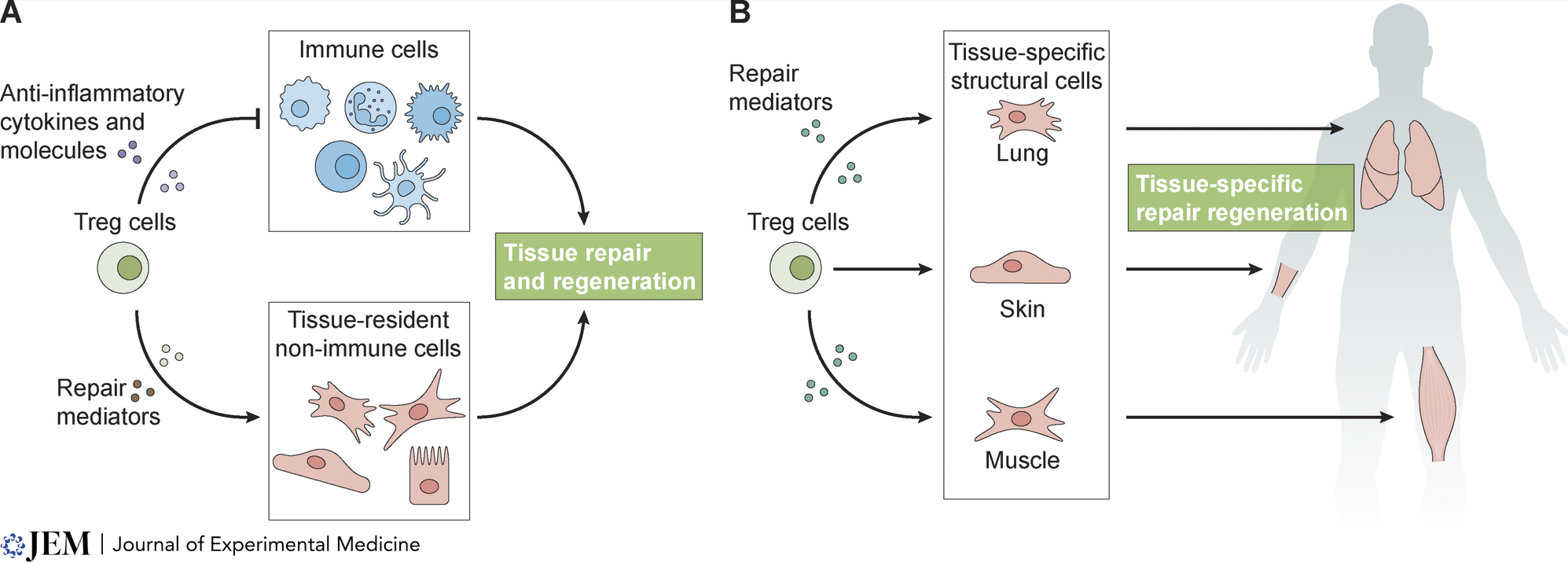
Regulatory T cells promote repair both by dampening inflammation (A, top) and by releasing mediators that act directly on tissue-resident non-immune cells (A, bottom). These mediators are sensed by tissue-specific structural cells, which generate context-specific repair programs (B). Reproduced from Loffredo et al., J Exp Med 2024;221:e20231244 [Review], under CC BY 4.0.
-
Ringham OR, Rivera M, Loffredo LF, et al., Arpaia N. A novel CAF population coordinates hyper-suppressive regulatory T cell recruitment and localization in lung cancer. Nat Immunol. 2026;27:1899–1912. PMID: 42581185
Loffredo LF, Kaiser KA, Kornberg A, et al., Arpaia N. An amphiregulin reporter mouse enables transcriptional and clonal expansion analysis of reparative lung Tregs. JCI Insight. 2025;10:e187245. PMID: 40626358
Loffredo LF, Kustagi A, Ringham OR, et al., Arpaia N. Heparan sulfate regulates amphiregulin programming of tissue reparative lung mesenchymal cells during influenza A virus infection in mice. Nat Commun. 2025;16:2129. PMID: 40032825
Loffredo LF, Savage TM, Ringham OR, Arpaia N. Treg–tissue cell interactions in repair and regeneration. J Exp Med. 2024;221:e20231244. [Review] PMID: 38668758
Kaiser KA, Loffredo LF, de los Santos-Alexis K, et al., Arpaia N. Regulation of the alveolar regenerative niche by amphiregulin-producing regulatory T cells. J Exp Med. 2023;220:e20221462. PMID: 36534084
PROGRAMMABLE PROBIOTIC BACTERIA FOR CANCER IMMUNOTHERAPY
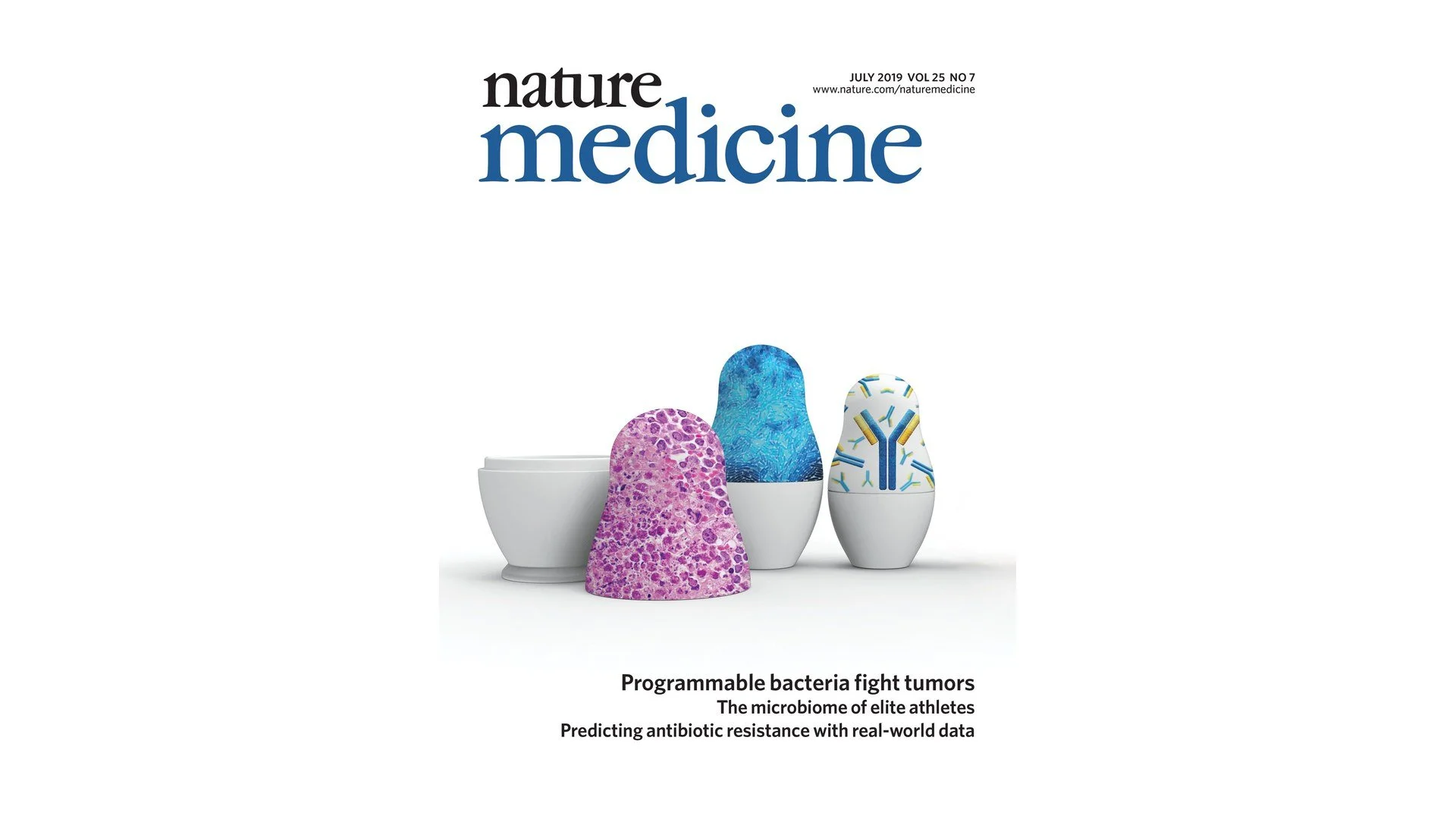
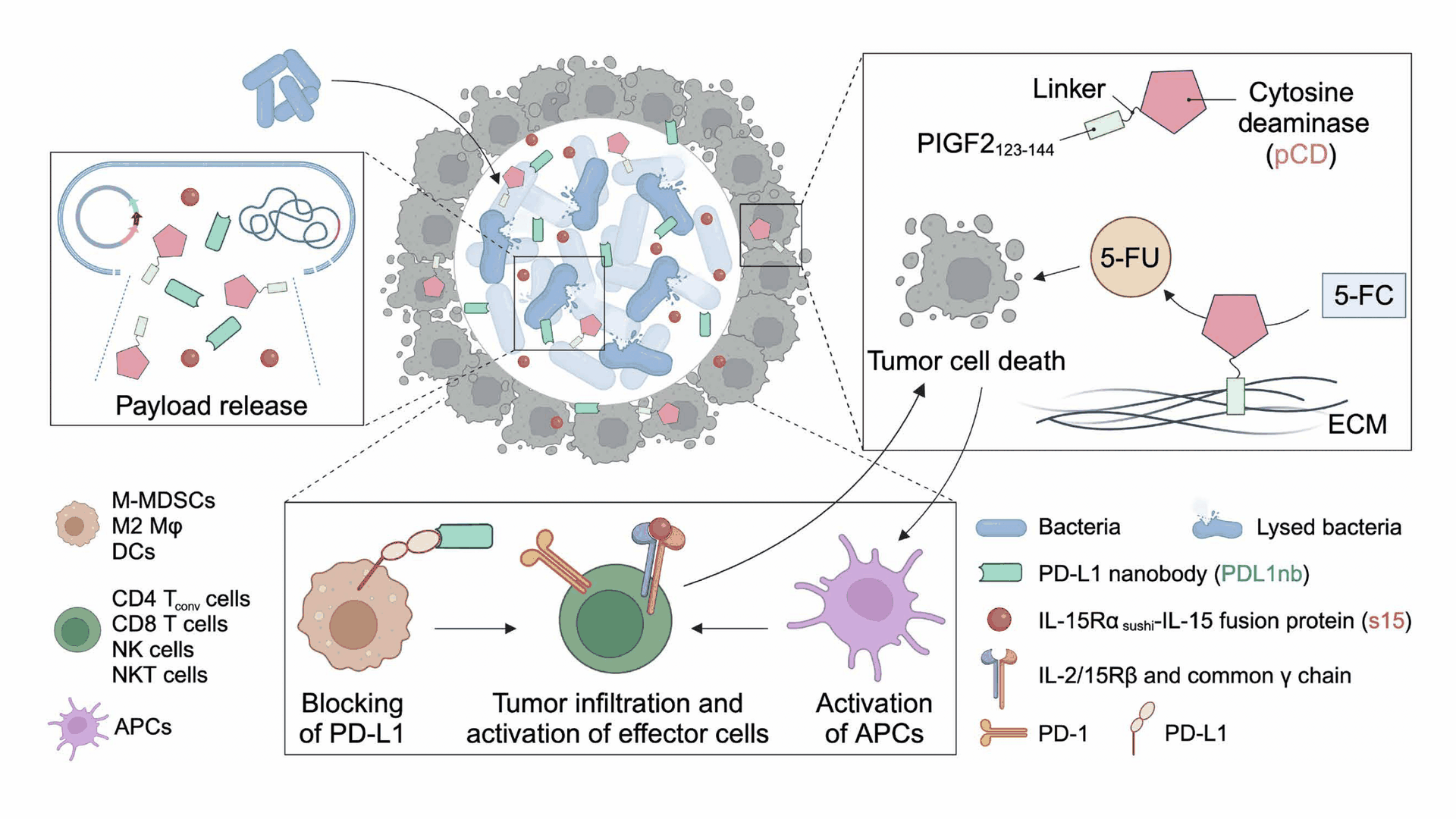
Our laboratory develops programmable probiotic bacteria as a platform for precision cancer immunotherapy, spanning mechanistic basic science, preclinical translation, and strategies designed with clinical development in mind. Together with our collaborators, we engineer tumor-colonizing E. coli Nissle 1917 to release therapeutic payloads locally within tumors.
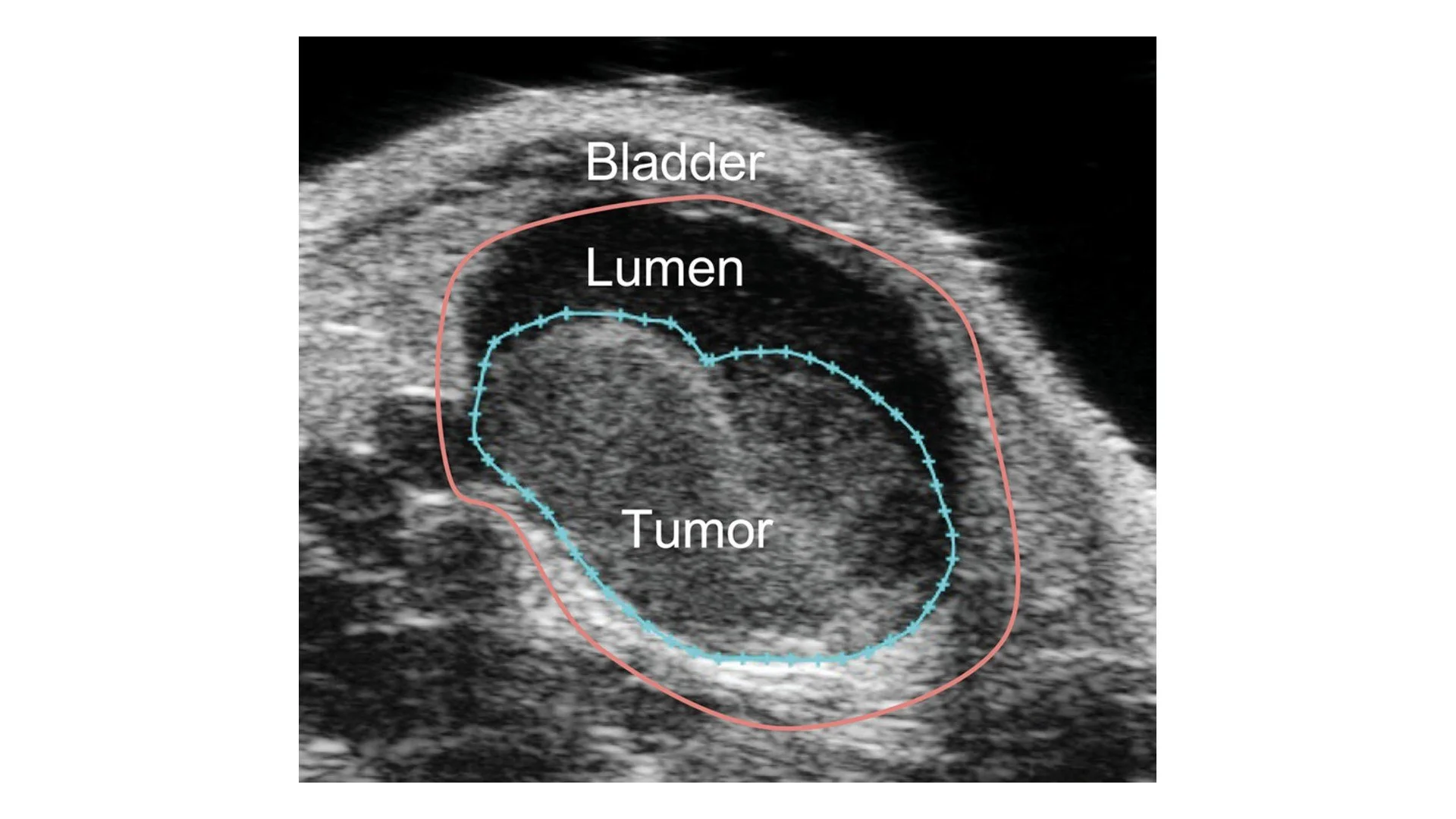
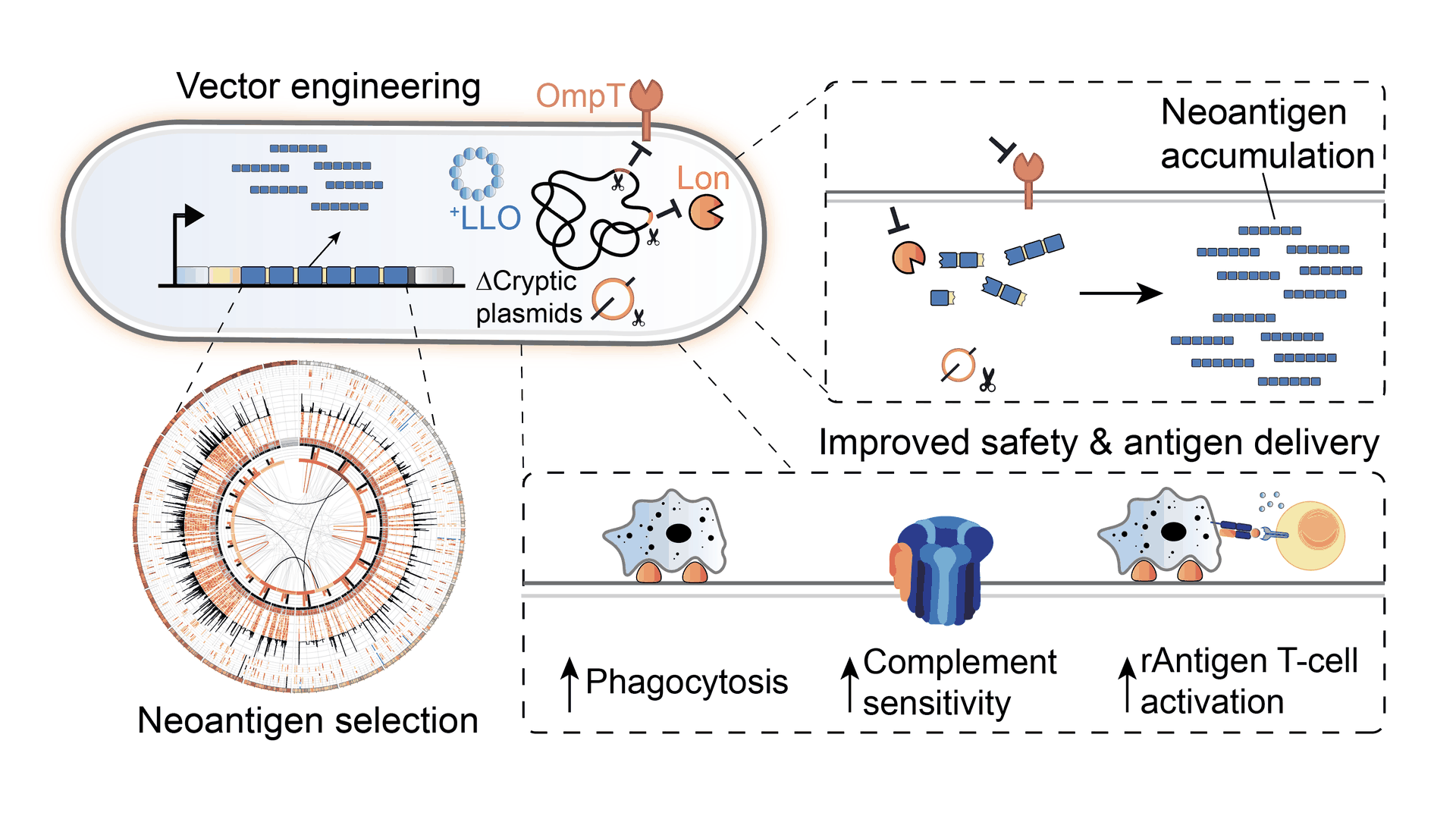
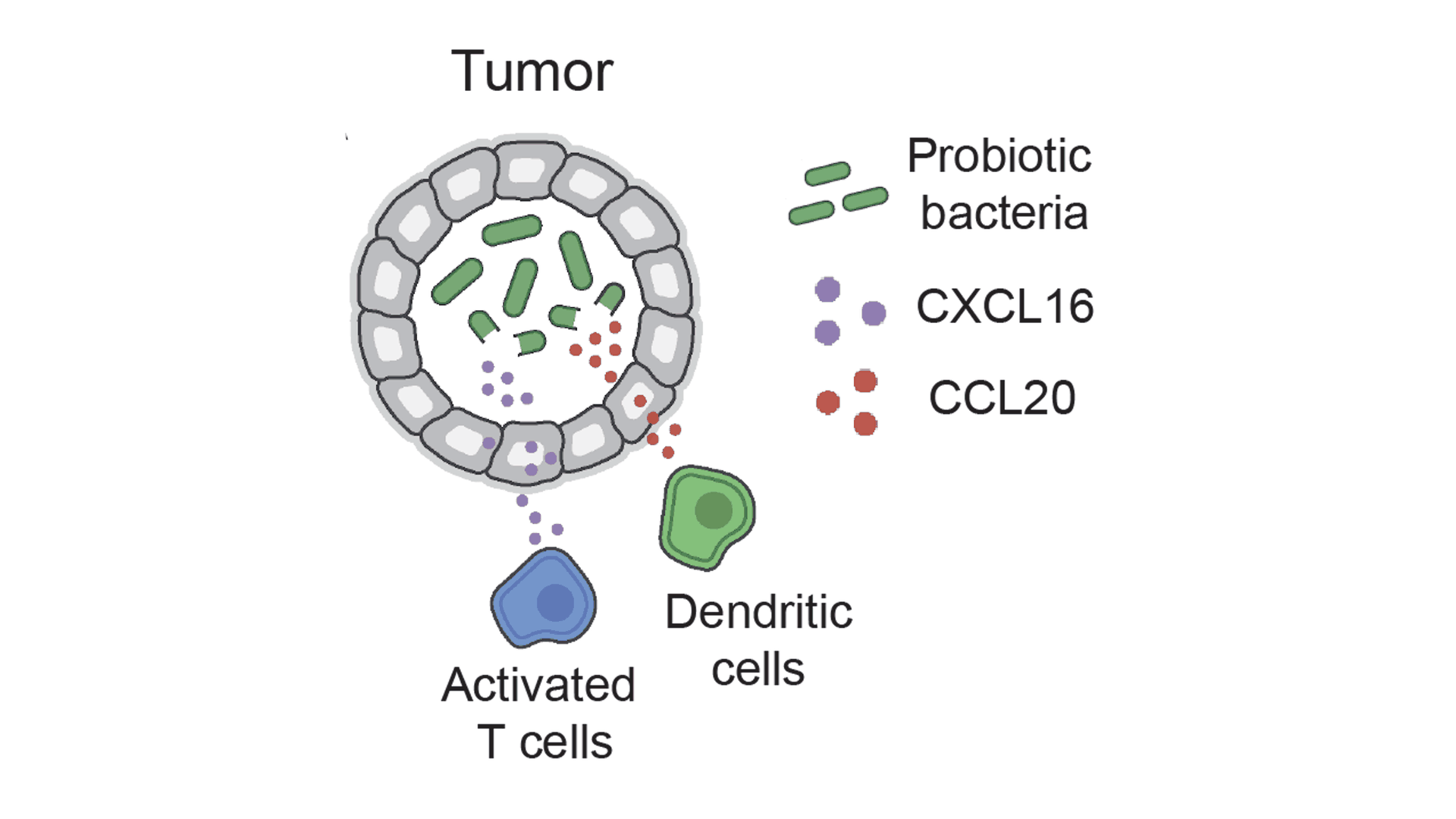
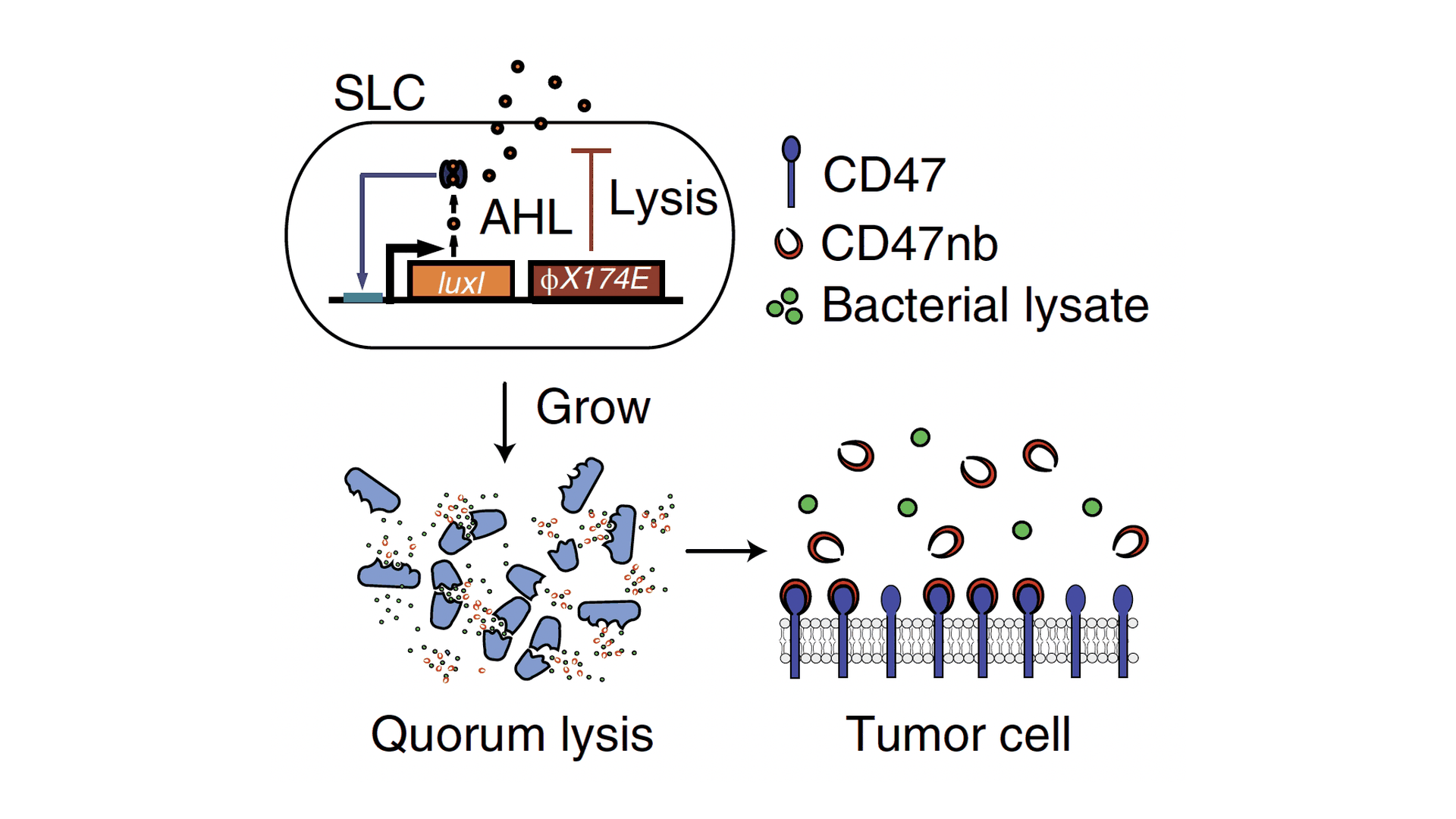
We have shown that bacterially delivered checkpoint-blocking nanobodies, cytokines, and chemokines remodel the tumor microenvironment and drive systemic antitumor immunity. We have also shown that engineered probiotics can deliver personalized neoantigen vaccines, overcome cancer cell–intrinsic resistance to PD-1 blockade, and combine chemotherapy prodrug activation with immunotherapy. In bladder cancer models, engineered bacteria elicit tumor-specific antibody responses that enhance immunotherapy. We are also studying the bacterial features that shape fitness within tumors, with the goal of improving the performance of engineered strains.
-
Chen N, Yang Z, Arpaia N. Bacterial engineering for cancer therapy. Nat Cancer. 2026;7:1340–1349. [Review] PMID: 42243277
Yang Z, Im J, Chen N, et al., Danino T, Arpaia N. Engineered probiotics for tumor-targeted combination chemoimmunotherapy. Sci Transl Med. 2026;18:eady2289. PMID: 42748218
Rouanne M, Chen N, Mariuzza DL, et al., Danino T, Arpaia N. Tumor-specific antibodies elicited by engineered bacteria promote bladder cancer immunotherapy in preclinical mouse models. Sci Transl Med. 2026;18:eadv7600. PMID: 42485436
Redenti A, Im J, Redenti B, et al., Danino T, Arpaia N. Probiotic neoantigen delivery vectors for precision cancer immunotherapy. Nature. 2024;635:453–461. PMID: 39415001
Li F, Yang Z, Savage TM, et al., Danino T, Arpaia N. Programmable bacteria synergize with PD-1 blockade to overcome cancer cell–intrinsic immune resistance mechanisms. Sci Immunol. 2024;9:eadn9879. PMID: 39423284
Savage TM, Vincent RL, Rae SS, et al., Danino T, Arpaia N. Chemokines expressed by engineered bacteria recruit and orchestrate antitumor immunity. Sci Adv. 2023;9:eadc9436. PMID: 36888717
DIET, THE MICROBIOME, AND MUCOSAL IMMUNITY
Mucosal barriers such as the intestine connect an organism's internal physiology with a constantly changing external environment, and they are home to diverse communities of commensal microbes. Our laboratory has a long-standing interest in how these communities, and the nutrients that shape them, influence immune tolerance and inflammation.
In recent work, we found that removing the amino acid tryptophan from the diet reshapes the intestinal microbiota and alters its metabolism. This leads to a microbiota-dependent expansion of RORγt⁺ regulatory T cells at the expense of Gata3⁺ regulatory T cells in the gut. Providing an AhR ligand in the absence of dietary tryptophan restored the Treg balance, suggesting that microbial tryptophan metabolites help regulate it. These findings point to dietary modifiers as a potential way to tune regulatory T cell populations, with relevance to intestinal inflammatory disorders.
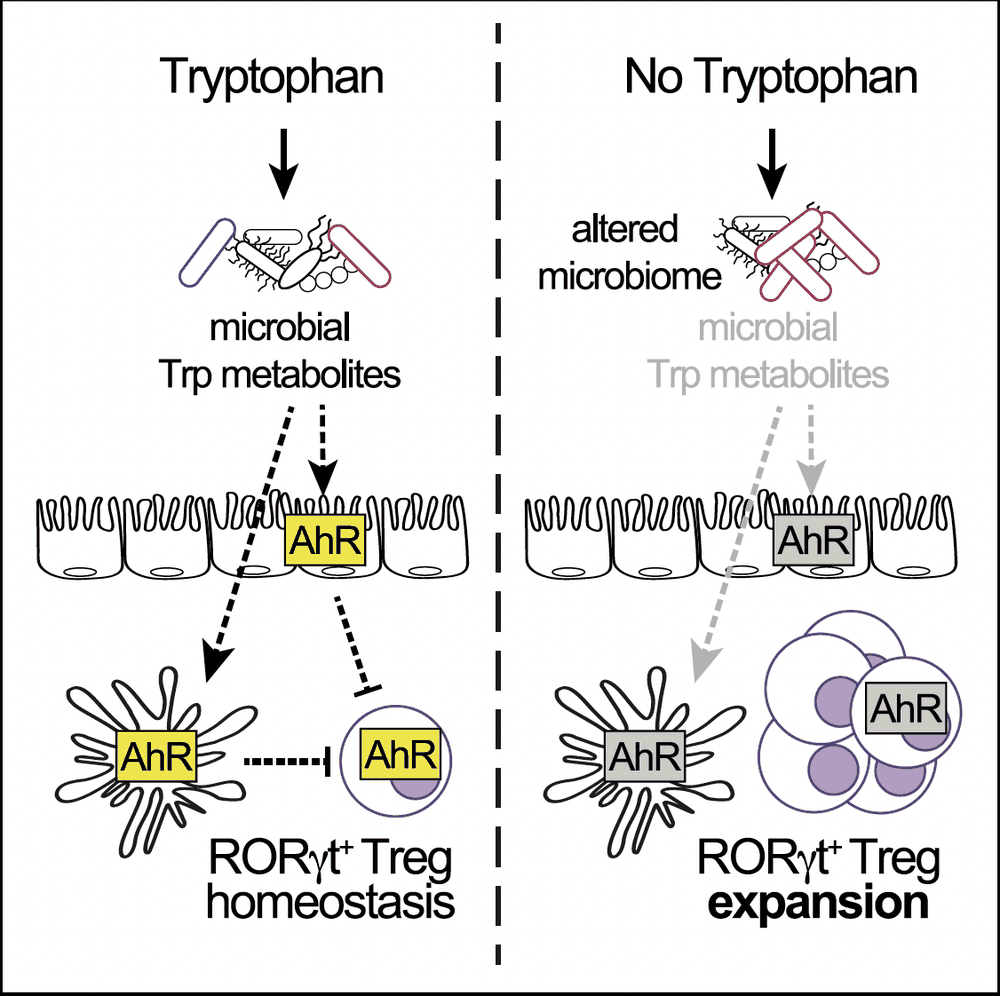
Dietary tryptophan supports microbial tryptophan metabolites that signal through AhR to keep RORγt⁺ Treg cells in homeostasis. Without tryptophan, the microbiome is altered, metabolites and AhR signaling decrease, and RORγt⁺ Treg cells expand. Graphical abstract from Rankin et al., Cell Rep 2023;42:112135, under CC BY 4.0.
-
Rankin LC, Kaiser KA, de los Santos-Alexis K, et al., Gray DHD, Arpaia N. Dietary tryptophan deficiency promotes gut RORγt⁺ Treg cells at the expense of Gata3⁺ Treg cells and alters commensal microbiota metabolism. Cell Rep. 2023;42:112135. PMID: 36840944
Arpaia N, Campbell C, Fan X, et al., Rudensky AY. Metabolites produced by commensal bacteria promote peripheral regulatory T-cell generation. Nature. 2013;504:451–455. PMID: 24226773
CANCER INTERCEPTION AND IMMUNOPREVENTION
Our laboratory is also extending the bacterial platform toward cancer interception and immunoprevention.
IN THE NEWS
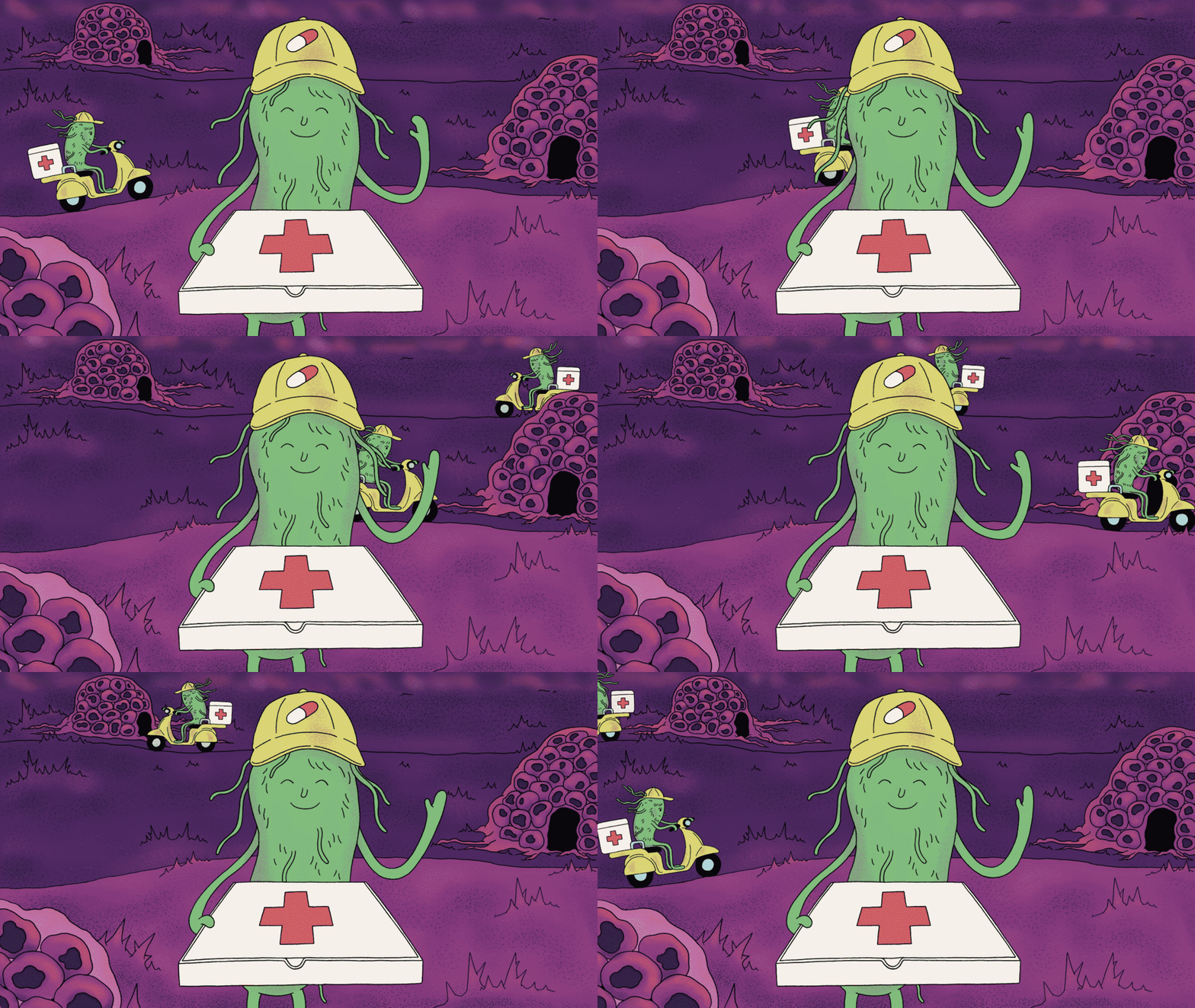
Special delivery: bacterial couriers are smuggling drugs into cancers
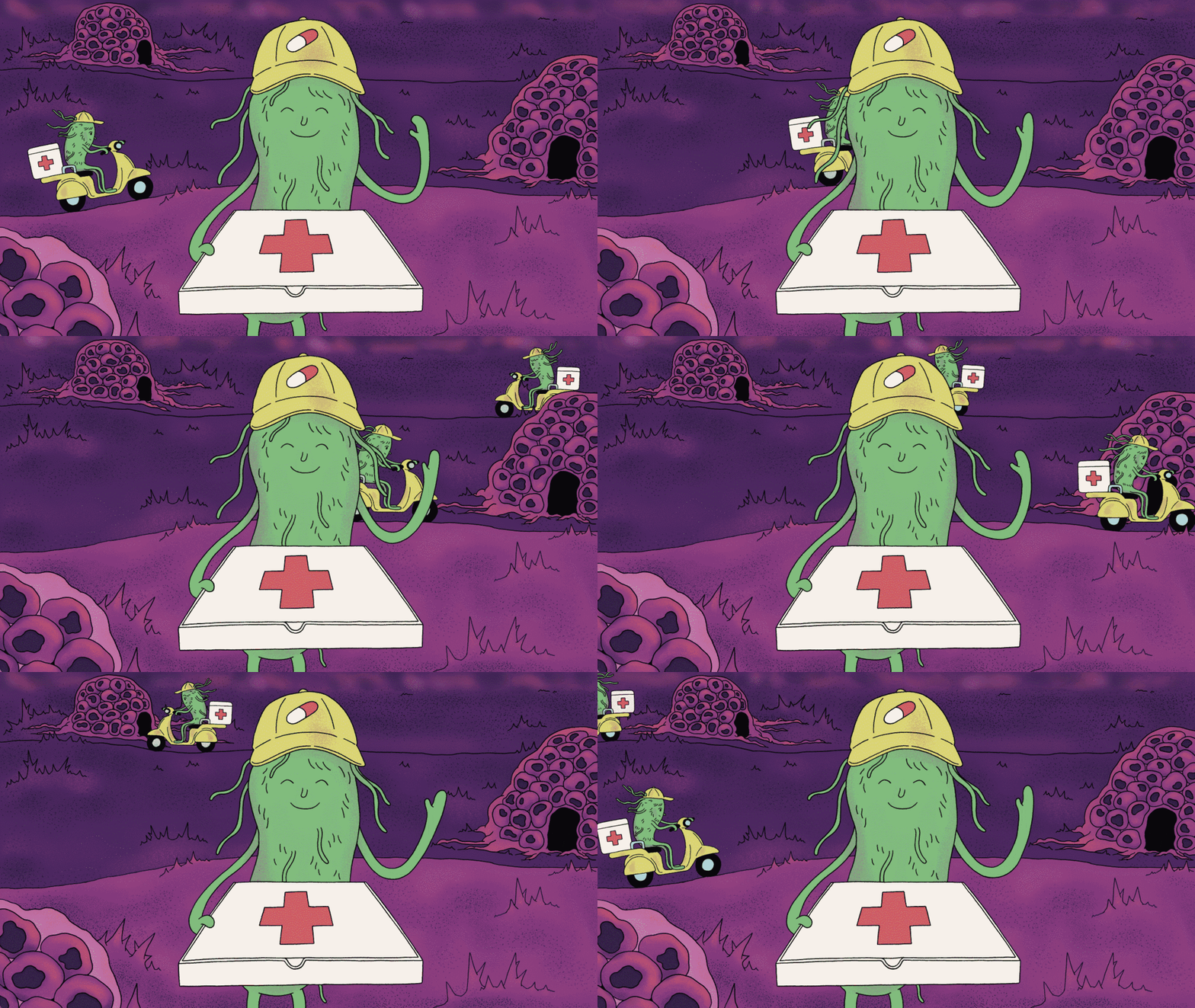
Microorganisms that deliver treatments to tumors could make chemotherapy, radiotherapy, and immunotherapy safer and more effective. Liam Drew, Nature Outlook: Drug delivery, Nature 657, S10–S12 (10 September 2026). Illustration: Julia Specht, represented by Roar Artists.
Bacteria recruited to treat cancer
Anticancer drugs could be manufactured and delivered by modified microorganisms. Bacteria can both deliver drugs and make them using their own cellular machinery, which may help limit side effects and target tumors more accurately. More animal and clinical studies are needed before engineered bacteria can be used routinely. Video produced by Nature.
INTERESTED IN JOINING THE LAB?
Learn more about opportunities on our Positions page.